
For more than two decades, Mauro von Siebenthal, a Swiss lawyer and winelover, had a dream. In 1998, Viña von Siebenthal finally became a reality.
J.Miller : " If I were awarding an Oscar for finest performance by a winery ,Von Siebenthal would be my winner", The Wine Advocate.
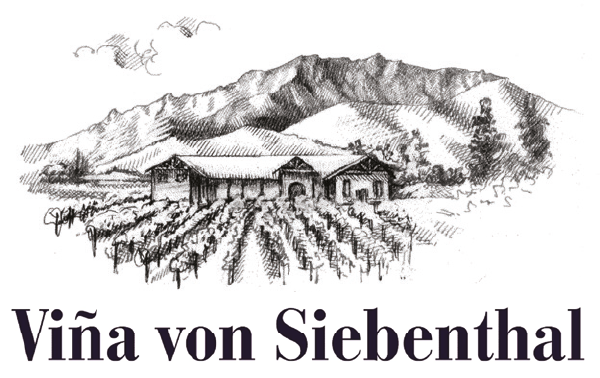
The story of Viña von Siebenthal is the story of Mauro von Siebenthal, a wine “ aficionado “ who at age 40 decided to abandon his profession as a lawyer in Switzerland in order to produce exceptional wines in the Aconcagua Valley, Chile. Viña von Siebenthal was founded in 1998.
That same year Mauro planted the first 10 hectares of vineyard and in 2000 built the winery styled on a typical Chilean country house design. In 2002 the first vintage took place.
Read More
Today Viña von Siebenthal owns 30 hectares of vineyards in production and produces 7 red wines and in 2013 produced their very first white wine, a stunning Viognier. From its inception Viña von Siebenthal was one of very few Chilean wineries that pioneered the production of terroir oriented premium quality wines distinguishing itself as one of the most prestigious wineries in Chile.
Right from the outset our wines have consistently garnered outstanding ratings from well known international journalists ( Robert Parker Tatay de Cristobal 97 points, Marcelo Copello Tatay de Cristobal 97 points, Robert Parker Toknar 95 points and James Suckling Montelig 93 points to name just a few) and they are also much appreciated by consumers ( Vivino – Tatay de Cristobal 4.8, Toknar 4.6, Montelig 4.3, Carabantes 4.2, Carmenere 4.0 and Parcela #7 4.0 )
Aconcagua, Foundational Chilean Valley
The winery is located close to the village of Panquehue in Aconcagua Valley 120 kilometers north of Chile’s capital city Santiago. Aconcagua Valley is one of the oldest places with historical evidence of Chile’s first inhabitants. Human remains dating from 7000 BC were found close to the Aconcagua river.
Aconcagua was the southern limit of the Inca Empire and only a few kilometers from the winery two important branches of the North-South and East-West Inca roads meet at a crossroads.
Read More
In the 16th Century the Spanish conquistadores came face to face at 20 kilometers from Panquehue with the Indian natives commanded by their famous chieftain Michimalongo, the first “ Chilean “ to resist the invasion of the Spanish commanded by Pedro de Valdivia.
During the colonial period ( 1598 – 1810 ) Aconcagua Valley was the biggest producer of Chilean wines. At the beginning of the 19th Century, the troops of Generals San Martin and O’Higgins crossed the Andes mountains from Argentina only a few kilometers from Panquehue and engaged in battle with the royalist troops at Chacabuco.
This battle was a fundamental event during the process of the Independence of Chile in 1810.
In 1857 Don Maximiano Errazuriz developed an important wine producing project in Panquehue which gave rise to the planting of more than 500 hectares of vineyards, thus establishing the largest vineyard in the world at that time. Errazuriz was the pioneer of quality winemaking in Panquehue. Our winery owns vineyards immediately adjacent to those of Errazuriz.
The Soil, Weather and Rainfall - An Exceptional Terroir
Aconcagua is a transversal valley running from the Andes mountains ( East ) to the Pacific ocean ( West ) the length of 120 kilometers. Aconcagua mountain at 6,962 meters is the highest mountain of the American continent. Panquehue is situated half way between the Andes and the Ocean. Its temperate climate is influenced by the sea breezes which refresh the hot summer afternoons favoring a micro-climate with maximum daytime temperatures of 28/30°C in summer and very cool night temperatures of 12/14°C as well as optimum ventilation of the vineyards.
Read More
Viña von Siebenthal owns 15 hectares of vineyards with alluvial sedimentary soil ( clay/lime ) and 15 hectares of vineyards with colluvial soil ( granite/clay )
The different types of soil allow for the optimum development of very distinct varieties such as Merlot, Cabernet Franc, Petit Verdot, Cabernet Sauvignon and Carmenere.
All our vineyards are equipped with a high technology irrigation system because the climate at Panquehue is very dry with an annual average rainfall which does not exceed 200 mm.
The proximity of Aconcagua Valley to the Andean glaciers ensures a good supply of water using a system of of canals which run from the mountains to Panquehue.
The valley enjoys and benefits from more than 300 days a year of sun.
Vineyards and Harvest
All our vineyards are planted with an average density of 4,000 vines per hectare with a view to producing fruit for wines of the highest quality.
With this objective in mind the correct soil and vineyard orientation were chosen for each variety in blocks of 1.5 hectares up to a maximum of 3 hectares.
Read More
Vineyard management is organic without the use of pesticides or chemical products with the exception of sulphur permitted in all organic cultivation practices. Alpaca manure is used to fertilize the soil. All energy requirements to run the whole winery are provided by our own 3000 mt2 photovoltaic solar plant.
Production per hectare varies between 4,000 to 10,000 kilos depending on the variety and the soil conditions. Three months prior to harvest grape bunches on each vine are manually controlled removing all excess bunches.
Harvesting is done 100% by hand. A group of 12-14 workers pick 8,000 kilos of grapes in 10 kilo bins on a daily basis.
Harvest takes place during the months of March, April and May from 7.00 a.m. till 13.00 p.m. The grapes picked during this time are vinified the same day to conserve aromas and quality of fruit.
Our Vineyard’s Grape Varieties
Principal varieties are:
- Cabernet Sauvignon – 6 hectares
- Cabernet Franc – 5,5 hectares
- Carmenere – 7,5 hectares
- Merlot – 2,2 hectares
- Syrah – 1,8 hectares
- Petit Verdot – 4,5 hectares
- Viognier – 1,5 hectares
All the vineyards were planted between 1998 and 2000 except for the Viognier which was planted in 2010.
Viña von Siebenthal produces an average of 160,000 bottles each vintage.
55% of the production is sold in the Chilean domestic market and the remaining 45% is exported to over 20 different markets around the world.
Tatay de Cristóbal
If Cristóbal (Christopher) relates to the Old World and Tatay in the ancient language from the New World means Ancestor/Grandfather, the result is the circle of life, just like the Carmenere grape variety which disappeared in Bordeaux where it originated and was rediscovered in Chile. A sublime wine which is born in calcium carbonate soil. The intensely delicate tannins give rise to long lingering persistency on the palate.
First Vintage 2007
Denomination of Origin: Aconcagua
Toknar
Toknar is the first 100% Petit Verdot produced in the South American continent. We planted 1.5 hectares on the hill slope, in granitic stony soil. In the native Aymara language Toknar means stone.
First Vintage 2005
Denomination of Origin: Aconcagua
Parcela #7
When Cabernet Sauvignon, Cabernet Franc, Merlot and Petit Verdot are harmoniously blended together Parcela # 7 is born: fruit, body and persistency.
First Vintage 2003
Denomination of Origin: Aconcagua
Orocoipo
From the hillside slopes of the Orocoipo mountain our vineyards deliver an intense, ripe and velvety smooth Carmenere.
First Vintage 2023
Denomination of Origin: Aconcagua
Carabantes
Carabantes is a homage to Francisco Lopez de Carabantes who brought the first vines to the New World. The Syrah grape variety found in Panquehue an ideal environment and Carabantes is a harmonious, floral and storable Syrah.
First Vintage 2002
Denomination of Origin: Aconcagua
Montelíg
The mountain ( Monte ) and light ( Lig in the native Picunche language) are two very potent elements of the valley’s environment. Montelig with 40% Cabernet Sauvignon, 30% Carmenere and 30% Petit Verdot express complexity, depth and harmony.
First Vintage 2003
Denomination of Origin: Aconcagua
Carmenére San Valentino
The long Aconcaguan autumn, without rain or fog allows the Carmenere grape variety to attain its optimum maturity. The San Valentino feast, starting from the 8 th century, would replace the pagan rituals of the roman lupercalias: the feasts of purification, earth and fertility. Our wine embodies the connection with nature in its deepest sense.
First Vintage 2003
Denomination of Origin: Aconcagua
Riomistico
The richly mineral soil is the product of the continuous flow from the Aconcagua river which throughout its winding path passes places which were sacred in their time. Riomistico is a pure 100% Viognier.
First Vintage 2013
Denomination of Origin: Aconcagua
ENOTOURISM 2026
We welcome visitors to our winery from all over the world.
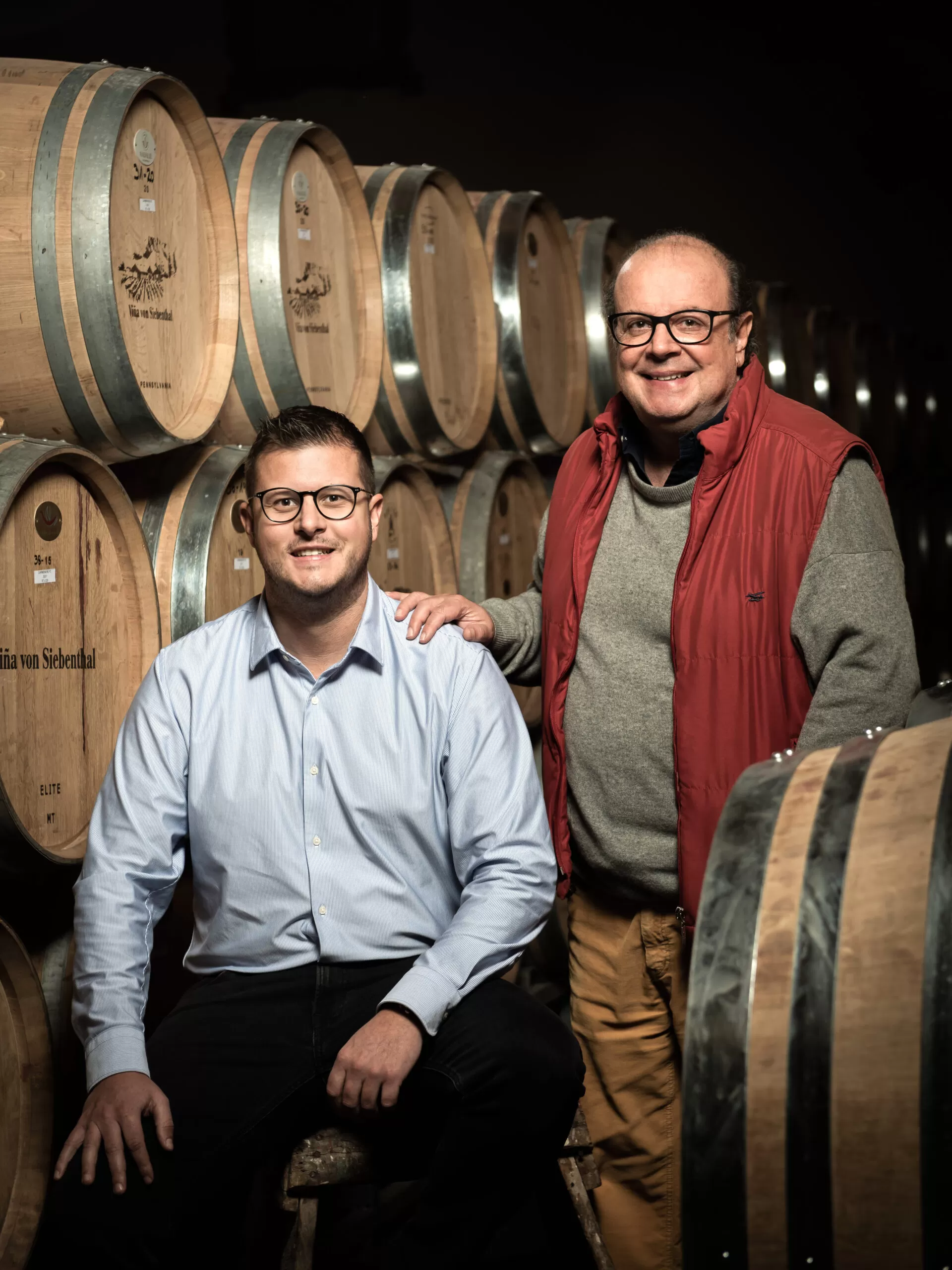
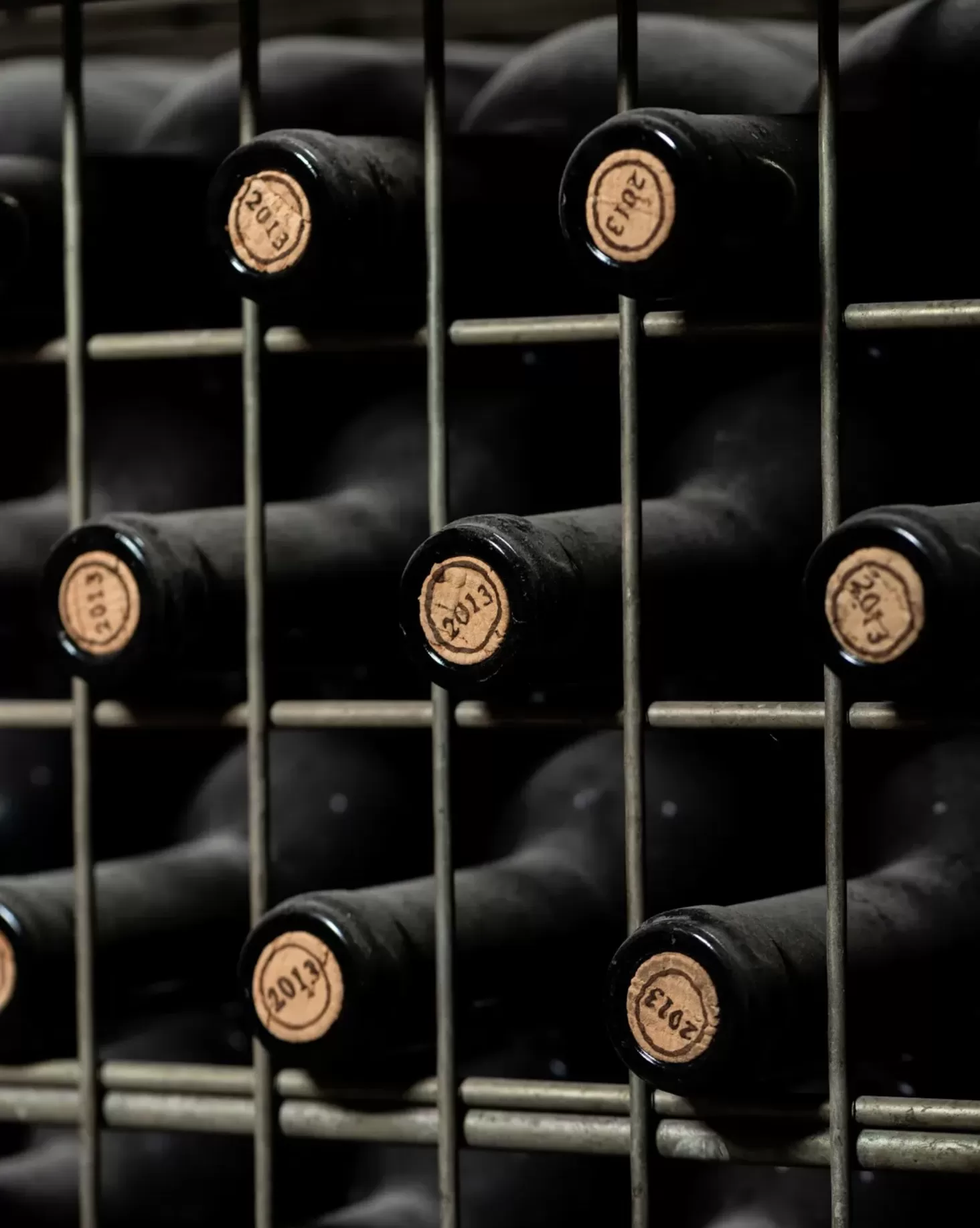
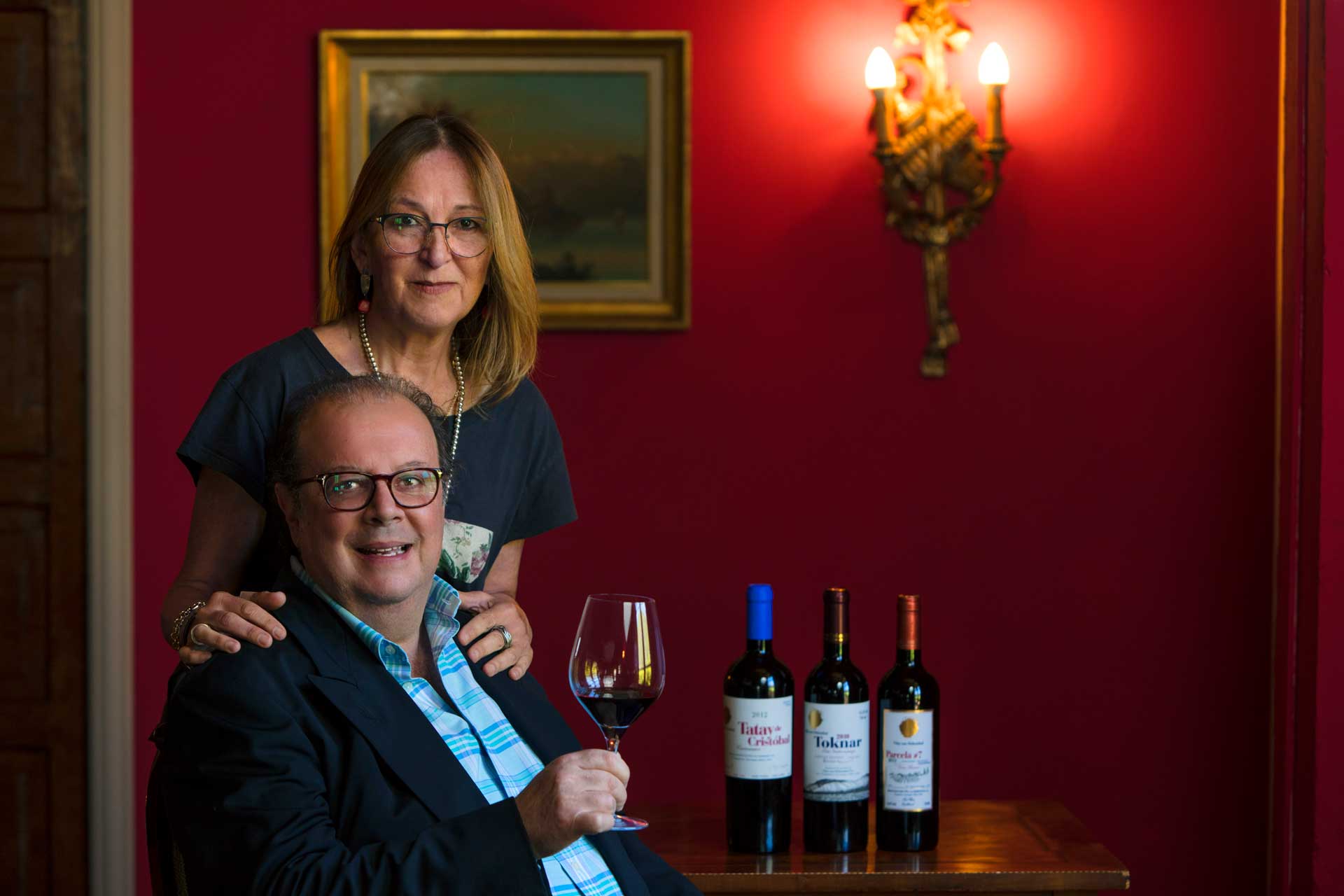
Just give us a call or write and we’ll be very happy to arrange a personalized and informative tour of the winery and barrel room including a tasting of a selection of our wines which will help you to understand why they truly express the identity of the Aconcagua Valley.
All tours are conducted by a member of our von Siebenthal family.
Contact Us
- +569 9 459 61 73